

ADULTS
What is a Dental Crown? Costs and Types

This blog has been reviewed and approved by Dr Robert Lee, a dental professional of 35 years
A dental crown, sometimes referred to as a cap, is placed and cemented directly over the tooth to help improve its shape and appearance, as well as protect against decay. If you have weakened enamel, you may notice more discoloration and staining, crowns can be a great solution for improving your smile. However, a toothpaste fortified to strengthen enamel can be a preventative measure to help you avoid the costs of dental crowns.
KEY TAKEAWAYS
TABLE OF CONTENTS
TABLE OF CONTENTS
What is a Dental Crown?
Dental crowns are caps, shaped like natural teeth, that fit over a decayed, weak, or damaged tooth. As a restorative procedure, crowns cover teeth requiring protection to prevent further damage. They are also sometimes referred to as dental caps. Before a crown is placed, the dentist gently reshapes the tooth by removing a small amount of tooth structure so the crown can sit comfortably and securely.
Crowns can be crafted from various materials, with porcelain, resin, and metal being the most common.
When is a Dental Crown Needed?
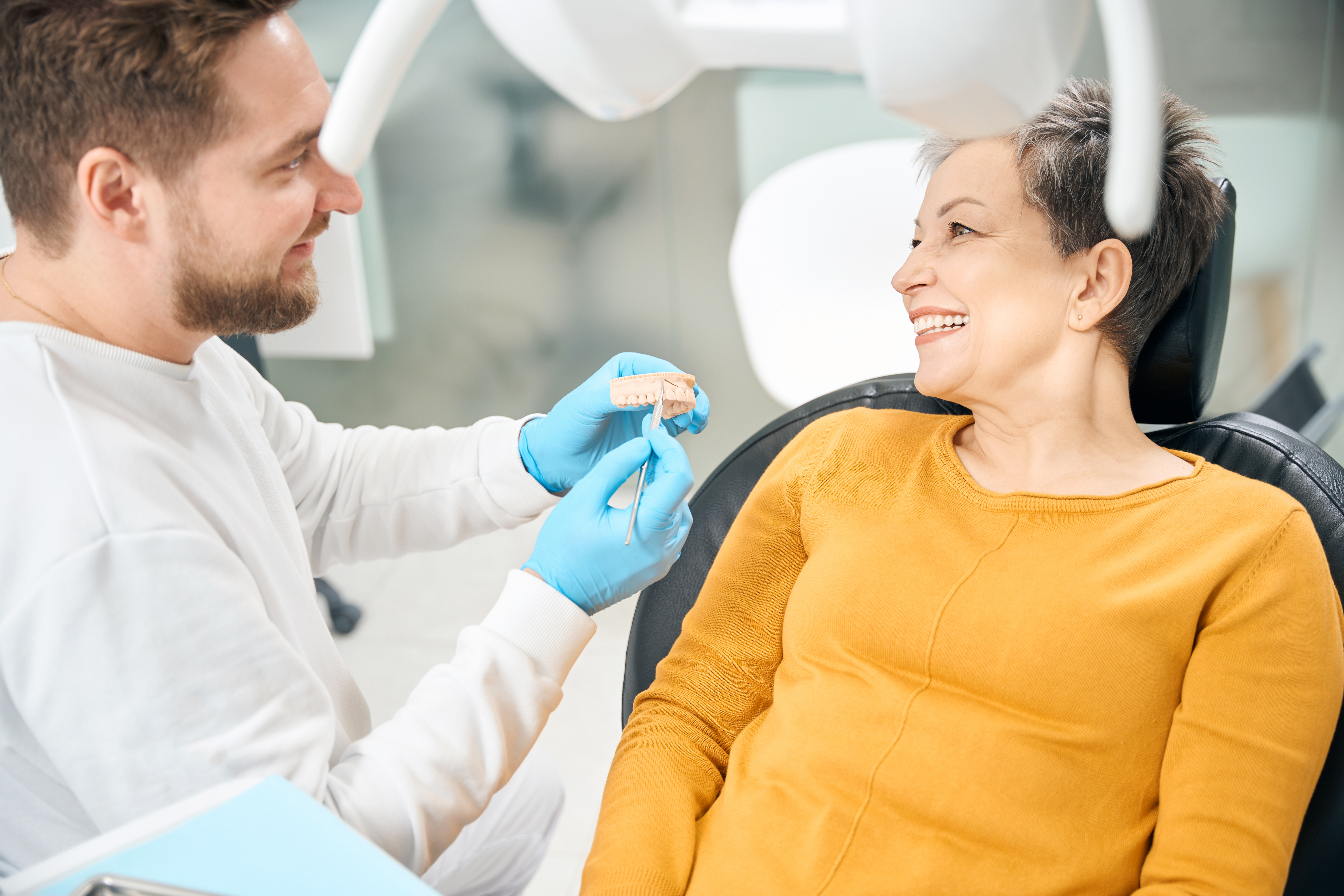
Dental crowns are highly versatile, serving as an effective treatment in numerous situations, such as:
- To support and cover a cracked tooth or a broken tooth.
- To reinforce a weak or decayed tooth.
- To conceal a discolored tooth.
- To seal a tooth that has undergone a root canal.
- To cover a dental implant.
- To support a tooth with a large filling.
- To help support a dental bridge by covering the teeth on either side.
- To protect a child's tooth at high risk of decay.
What are the Different Types of Dental Crowns?
Different Materials Used for Different Types of Crowns
- Porcelain-fused-to-metal (PFM) crowns Combining the aesthetic appeal of porcelain with the strength of metal, this type of crown offers a natural appearance. PFM crowns can be color-matched to existing teeth, providing a seamless look. While strong and durable, PFM crowns can cause increased wear on opposing teeth compared to other types. The porcelain layer can also chip, revealing the less natural-looking metal beneath.
- Pressed Ceramic Crowns Similar to PFM crowns, pressed ceramic crowns have a strong ceramic core with a porcelain outer layer that can be color‑matched to natural teeth. They offer a good balance of strength and aesthetics. In some cases, the porcelain surface may contribute to wear on opposing teeth or be more prone to chipping over time, which is why careful design, polishing, and bite adjustment are important considerations.
- All-Resin Crowns All‑resin dental crowns are generally a more affordable option and can provide a natural‑looking solution for a cracked or damaged tooth. However, compared to other crown materials, resin crowns tend to be less durable and may wear or crack more easily over time. Because of this, they’re often best suited for short‑term use or situations where a long‑lasting material isn’t required, and they’re commonly used as temporary crowns.
- Metal Crowns Metal crowns are arguably the strongest and most durable dental crown type. Dentists can utilize several metals to fabricate a crown, including gold, chromium, nickel, and palladium. Metal crowns have two primary drawbacks: their unnatural appearance and color, and the potential for metal allergies. If neither of these issues applies to you, they represent a good long-term choice.
- All Ceramic / Porcelain Crowns Ceramic or porcelain dental crowns can mimic the natural appearance of teeth more closely than any other dental crown type, making them an excellent choice if aesthetics are a top priority. They also contain no metal, offering a more allergy-friendly option. While not as strong or durable as metal crowns, they should still resist cracking easily.
- Zirconia Crowns Zirconia crowns are a type of all‑ceramic dental crown made from an extremely strong and durable material. They’re often used to restore teeth that need extra strength, especially back teeth that handle heavy chewing. Zirconia crowns are metal‑free, long‑lasting, and can be designed to closely match the look of natural teeth, making them a popular option for both function and appearance
- Composite Resin Composite resin crowns are tooth‑colored restorations made from a reinforced resin material designed to protect and restore damaged teeth. They’re generally stronger and more durable than basic all‑resin crowns, while still offering a natural appearance. However, composite resin crowns don’t last as long as options like ceramic, metal, or porcelain‑fused‑to‑metal crowns, so they’re often used when a more economical or short‑to‑medium‑term solution is appropriate.
What is the Dental Crown Procedure?
What Steps are Involved in Preparing a Tooth for a Crown?
In most cases, installing a dental crown necessitates two visits to the dentist: the first for examination and preparation, and the second for installation.
- Trip 1: Examination and Preparation During your initial visit, your dentist will examine the damaged or cracked tooth, potentially using X-rays. This helps determine the extent of the damage and ascertain if other treatments, such as a root canal, are necessary before your crown is fitted. After the examination and any required pre-treatments, your dentist will gently reshape the outer layer of your tooth, removing damaged portions and creating space for the crown to fit. An impression of the prepared tooth will then be taken, and a temporary crown will be placed to protect your reshaped tooth from further damage. This impression is sent to a dental technician lab, which will fabricate your permanent crown. This process varies in duration but typically takes two to three weeks.
- Trip 2: Installing Your Permanent Crown During your second visit, your dentist will focus on fitting and securing your permanent crown. Once the fit and bite are confirmed, the crown is bonded in place using a strong dental cement to help protect the tooth. How long a dental crown lasts can vary based on the material used. In general, metal and porcelain‑fused‑to‑metal (PFM) crowns tend to last longer than crowns made primarily from porcelain or resin.
Alternatives to Dental Crowns
Veneers vs. Crowns – How to Choose the Best Option
While they may appear similar, teeth veneers and dental caps serve very different purposes and are generally not interchangeable:
- Veneers are thin shells that cover only the front surface of your teeth. They are primarily used for cosmetic reasons but can also conceal small chips or cracks.
- Dental caps are tooth-shaped coverings that encompass the entire tooth. They are used to seal teeth after procedures like root canals or to reinforce severely damaged or cracked teeth.
TABLE OF CONTENTS
TABLE OF CONTENTS


WE RECOMMEND
FAQS

Can I eat normally with a dental crown?
You can usually eat normally with a dental crown, but your dentist may recommend avoiding certain foods right after placement to allow the dental cement to fully set. Once this initial period has passed, the crown functions much like a natural tooth. Following your dental professional’s instructions and maintaining good oral care can help ensure long‑term comfort and performance.
How do I care for a dental crown?
Brush twice daily with a soft-bristled toothbrush, floss gently, and avoid grinding your teeth. Regular dental visits help ensure your crown remains in good condition. By adopting an optimal oral care routine, dental crowns should last 10-15 years or longer!
Are dental crowns noticeable?
Modern crowns, especially porcelain or ceramic ones, are designed to match your natural teeth in color and shape, rendering them virtually unnoticeable. This will help you feel confident in your recovery. It's important to note that if you have a dental crown that matches your natural teeth in color and shape, crowns do not respond to whitening treatments. Therefore, if your tooth color changes, consult your dentist directly about replacement options.
ABOUT THE AUTHOR
Lorem ipsum dolor sit amet, consectetur adipiscing elit. Donec cursus, est et imperdiet elementum, libero lacus malesuada metus, sit amet bibendum mi magna eleifend erat. Morbi accumsan magna metus.
SOURCES
- https://my.clevelandclinic.org/health/treatments/10923-dental-crowns
- https://capitoldental.com/composite-resin-crown/
- https://www.smilemakersal.com/the-pros-and-cons-of-dental-crowns/
- https://www.dentalguide.co.uk/patient-guides/a-guide-to-onlays-and-inlays/
- https://www.webmd.com/oral-health/dental-crowns
- https://www.healthline.com/find-care/articles/dentists/dental-crown#are-there-alternatives-to-crowns
- https://www.verywellhealth.com/veneers-vs-crowns-5214997
- Adam, R. (2020). Introducing the Oral-B iO electric toothbrush: next generation oscillating-rotating technology. International Dental Journal, 70 Suppl 1(Suppl 1), S1–S6. https://doi.org/10.1111/idj.12570
- He, T., et al. (2022). Novel findings on anti-plaque effects of stannous fluoride. American Journal of Dentistry, 35(6), 297–307.
- Terézhalmy, G. T., et al. (2008). Plaque-removal efficacy of four types of dental floss. Journal of Periodontology, 79(2), 245–251. https://doi.org/10.1902/jop.2008.070345
- White D. J. (2005). An alcohol-free therapeutic mouthrinse with cetylpyridinium chloride (CPC)--the latest advance in preventive care: Crest Pro-Health Rinse. American Journal of Dentistry, 18 Spec No, 3A–8A. /
