

ADULTS
Dental Crowns: Types, Procedure, and Care

Throughout life, our teeth endure considerable stress, making dental crowns an excellent restorative option. These fitted caps are designed to support and restore broken or weak teeth, and they also serve to seal and protect teeth after procedures such as as root canals, or to restore function and appearance when placed on dental implants. Crafted from various materials, including resin, porcelain, and metal, crowns can last anywhere from 5 to over 15 years, depending on the chosen material and your oral hygiene practices. Getting a dental crown is a routine and commonly performed dental procedure.
This article breaks down how dental crowns work, what the process involves, and the potential pros and cons of choosing this treatment.


What is a Dental Crown?
When is a Dental Crown Needed?
- To support and cover a cracked tooth or a broken tooth.
- To reinforce a weak or decayed tooth.
- To conceal a discolored tooth.
- To seal a tooth that has undergone a root canal.
- To cover a dental implant.
- To support a tooth with a large filling.
- To help support a dental bridge by covering the teeth on either side.
- To protect a child's tooth at high risk of decay.
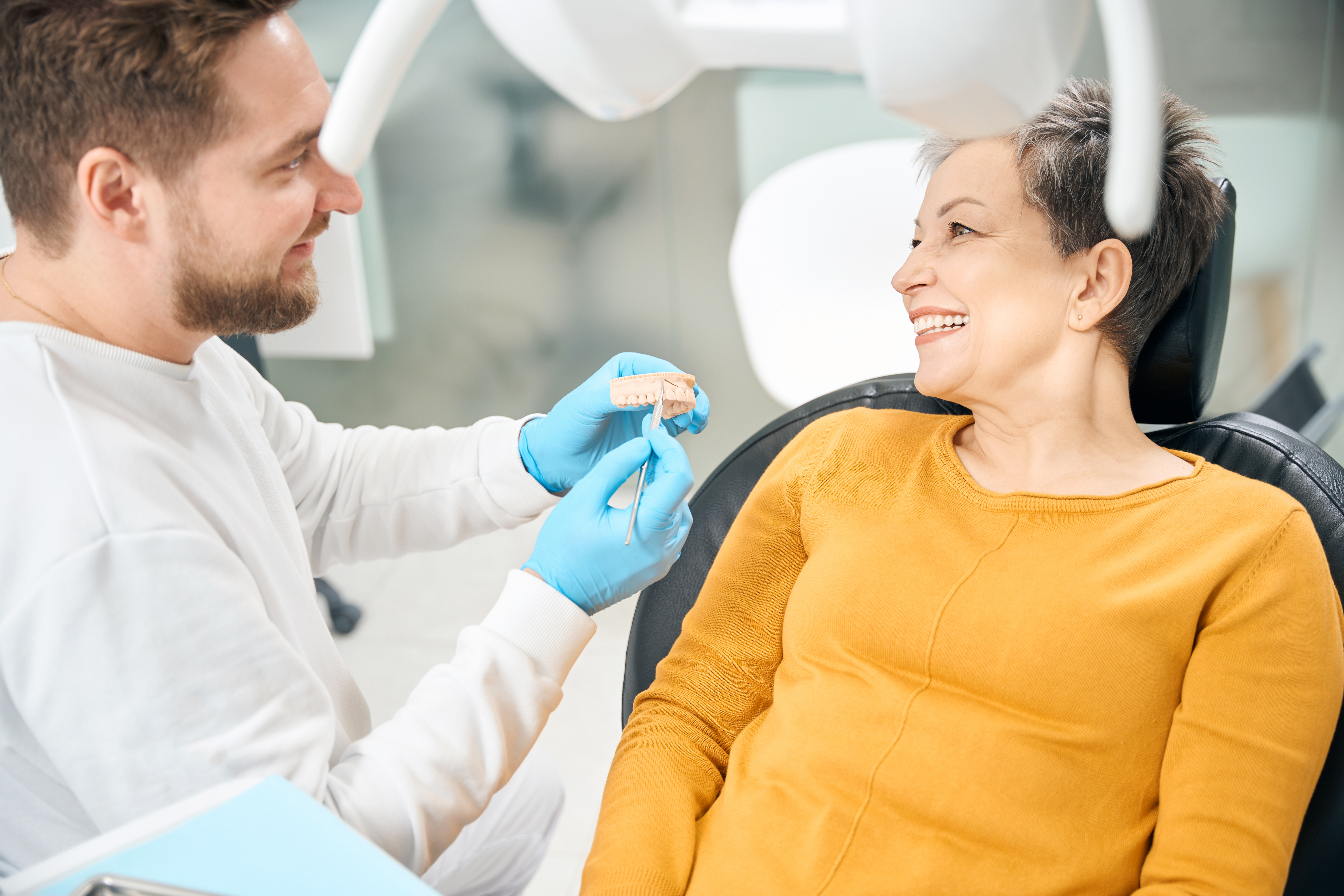
What are the Different Types of Dental Crowns?
- Porcelain-fused-to-metal (PFM) crowns Combining the aesthetic appeal of porcelain with the strength of metal, this type of crown offers a natural appearance. PFM crowns can be color-matched to existing teeth, providing a seamless look. While strong and durable, PFM crowns can cause increased wear on opposing teeth compared to other types. The porcelain layer can also chip, revealing the less natural-looking metal beneath.
- Pressed Ceramic Crowns Similar to PFM crowns, pressed ceramic crowns have a strong ceramic core with a porcelain outer layer that can be color‑matched to natural teeth. They offer a good balance of strength and aesthetics. In some cases, the porcelain surface may contribute to wear on opposing teeth or be more prone to chipping over time, which is why careful design, polishing, and bite adjustment are important considerations.
- All-Resin Crowns All‑resin dental crowns are generally a more affordable option and can provide a natural‑looking solution for a cracked or damaged tooth. However, compared to other crown materials, resin crowns tend to be less durable and may wear or crack more easily over time. Because of this, they’re often best suited for short‑term use or situations where a long‑lasting material isn’t required, and they’re commonly used as temporary crowns.
- Metal Crowns Metal crowns are arguably the strongest and most durable dental crown type. Dentists can utilize several metals to fabricate a crown, including gold, chromium, nickel, and palladium. Metal crowns have two primary drawbacks: their unnatural appearance and color, and the potential for metal allergies. If neither of these issues applies to you, they represent a good long-term choice.
- All Ceramic / Porcelain Crowns Ceramic or porcelain dental crowns can mimic the natural appearance of teeth more closely than any other dental crown type, making them an excellent choice if aesthetics are a top priority. They also contain no metal, offering a more allergy-friendly option. While not as strong or durable as metal crowns, they should still resist cracking easily.
- Zirconia Crowns Zirconia crowns are a type of all‑ceramic dental crown made from an extremely strong and durable material. They’re often used to restore teeth that need extra strength, especially back teeth that handle heavy chewing. Zirconia crowns are metal‑free, long‑lasting, and can be designed to closely match the look of natural teeth, making them a popular option for both function and appearance
- Composite Resin Composite resin crowns are tooth‑colored restorations made from a reinforced resin material designed to protect and restore damaged teeth. They’re generally stronger and more durable than basic all‑resin crowns, while still offering a natural appearance. However, composite resin crowns don’t last as long as options like ceramic, metal, or porcelain‑fused‑to‑metal crowns, so they’re often used when a more economical or short‑to‑medium‑term solution is appropriate.
Types of Crowns
- Temporary Crown A temporary crown remains in the mouth for only a short duration. It is secured with a strong but removable adhesive and safeguards the tooth while a permanent crown is being fabricated. If you're wondering about the lifespan of a temporary crown, rest assured that your dentist will ensure it lasts for the period required to create your permanent crown.
- One-Day Crown If you visit a dental practice equipped with a computer-aided design system, you might be able to receive a one-day crown. This type of dental crown is designed and installed in a single visit, typically crafted from ceramics.
- Onlay or ¾ Crown In certain situations, your dentist might suggest an Onlay or ¾ crown. These treatments are employed when the entire tooth does not require full coverage, usually due to a smaller extent of damage or decay.
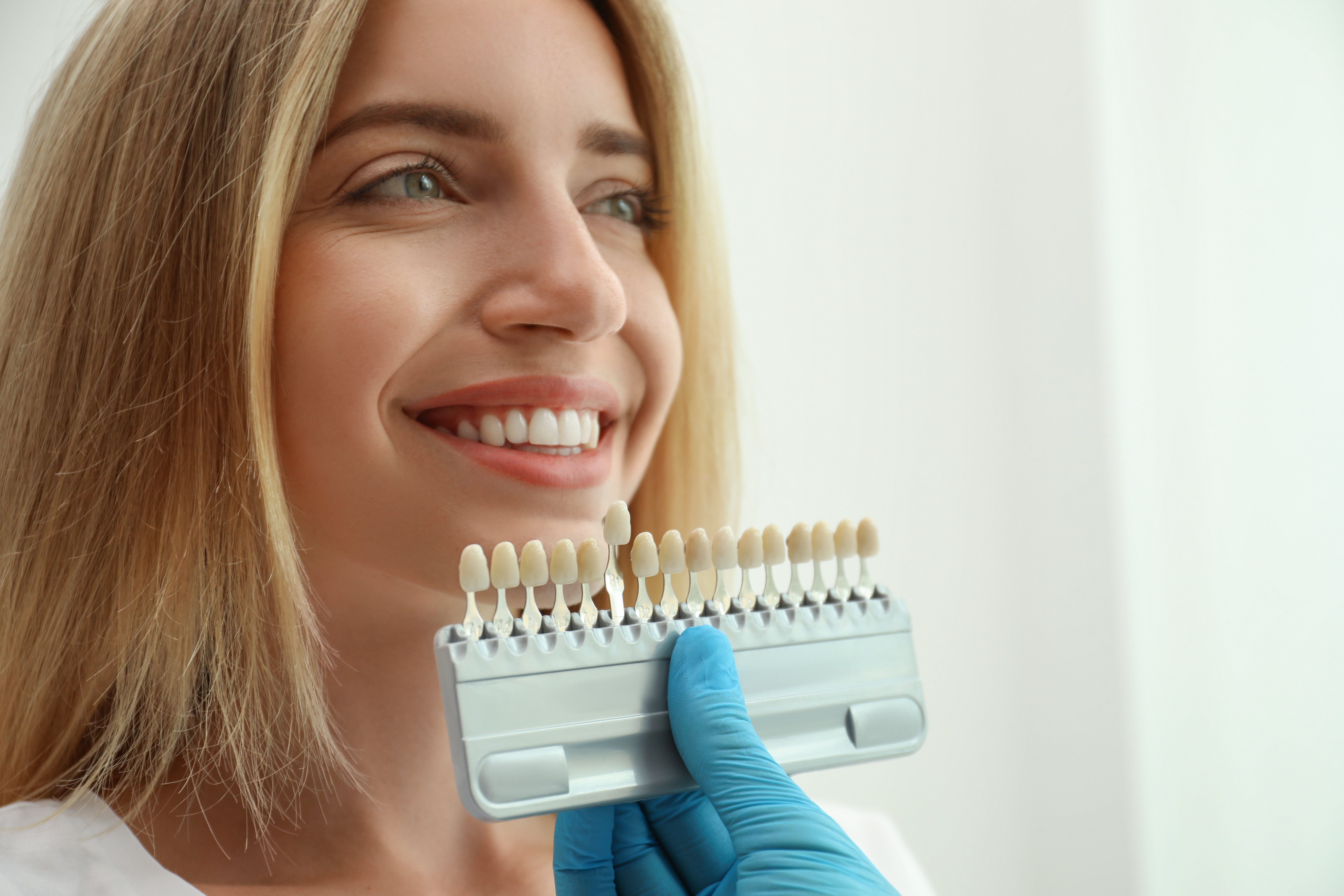
What is the Dental Crown Procedure?
- Trip 1: Examination and Preparation During your initial visit, your dentist will examine the damaged or cracked tooth, potentially using X-rays. This helps determine the extent of the damage and ascertain if other treatments, such as a root canal, are necessary before your crown is fitted. After the examination and any required pre-treatments, your dentist will gently reshape the outer layer of your tooth, removing damaged portions and creating space for the crown to fit. An impression of the prepared tooth will then be taken, and a temporary crown will be placed to protect your reshaped tooth from further damage. This impression is sent to a dental technician lab, which will fabricate your permanent crown. This process varies in duration but typically takes two to three weeks.
- Trip 2: Installing Your Permanent Crown During your second visit, your dentist will focus on fitting and securing your permanent crown. Once the fit and bite are confirmed, the crown is bonded in place using a strong dental cement to help protect the tooth. How long a dental crown lasts can vary based on the material used. In general, metal and porcelain‑fused‑to‑metal (PFM) crowns tend to last longer than crowns made primarily from porcelain or resin.
Alternatives to Dental Crowns
- Veneers are thin shells that cover only the front surface of your teeth. They are primarily used for cosmetic reasons but can also conceal small chips or cracks.
- Dental caps are tooth-shaped coverings that encompass the entire tooth. They are used to seal teeth after procedures like root canals or to reinforce severely damaged or cracked teeth.
What is the Most Common Alternative to a Crown?
- Inlays or Onlays Sometimes, a tooth may be too damaged for a filling but not yet require a crown. In such instances, a dentist may opt for an inlay or an onlay. Inlays fill cavities within the chewing surface of teeth, whereas an onlay fits into cavities and extends to cover one or more cusps of a tooth.
What are the Pros and Cons of Dental Crowns?
- Improper fitting leading to discomfort.
- Covering areas of undetected decay, which may lead to infection.
- Allergic reactions to materials used in the dental crown.
- Sensitivity to hot and cold foods or drinks. A dental crown should never be placed on a tooth with untreated decay; doing so can lead to infection and gum disease. Familiarize yourself with the symptoms of gum disease using our guide.
- Helping protect the covered tooth from further structural damage and reducing the risk of decay.
- Enhancing the appearance of teeth that have experienced decay.
- Reinforcing weak teeth and helping prevent a cracked tooth. Some dental crowns can last up to 15 years, making them a long-term solution for weakened teeth and an effective way to prevent further damage.
Dental Crown Care and Recovery
Oral Health Essentials: Your Guide to a Healthy Smile
- Protect your mouth with Crest: Make sure to brush twice a day with a stannous fluoride toothpaste like Crest Pro-Health Advanced Deep Clean Toothpaste. Crest toothpaste formulated with stannous fluoride fights cavities and tooth decay, strengthens enamel, fights sensitivity, and provides lasting protection against plaque buildup with twice-daily brushing.
- Rinse with Crest Pro-Health Complete Clean Mouthwash: Swish with this alcohol-free, antibacterial mouthwash to help rinse away leftover plaque, support gum health, and leave your mouth feeling clean and fresh.
- Brush 2X/day with an Oral-B iO Electric Toothbrush: An electric toothbrush, like an Oral-B iO, helps remove 100% more plaque than a regular manual toothbrush. The dentist-inspired round brush head surrounds each tooth as it adapts to the curves of teeth and gums to ensure a cleaner, healthier smile—even in hard-to-reach areas.
- Use String Floss: Flossing once a day removes plaque and trapped food between teeth. Adding flossing to your routine can help flush away remaining particles and plaque from hard‑to-reach areas, giving you an extra layer of protection and promoting healthier gums.


Can I eat normally with a dental crown?
How do I care for a dental crown?
Are dental crowns noticeable?
SOURCES
- https://my.clevelandclinic.org/health/treatments/10923-dental-crowns
- https://capitoldental.com/composite-resin-crown/
- https://www.smilemakersal.com/the-pros-and-cons-of-dental-crowns/
- https://www.dentalguide.co.uk/patient-guides/a-guide-to-onlays-and-inlays/
- https://www.webmd.com/oral-health/dental-crowns
- https://www.healthline.com/find-care/articles/dentists/dental-crown#are-there-alternatives-to-crowns
- https://www.verywellhealth.com/veneers-vs-crowns-5214997
- Adam, R. (2020). Introducing the Oral-B iO electric toothbrush: next generation oscillating-rotating technology. International Dental Journal, 70 Suppl 1(Suppl 1), S1–S6. https://doi.org/10.1111/idj.12570
- He, T., et al. (2022). Novel findings on anti-plaque effects of stannous fluoride. American Journal of Dentistry, 35(6), 297–307.
- Terézhalmy, G. T., et al. (2008). Plaque-removal efficacy of four types of dental floss. Journal of Periodontology, 79(2), 245–251. https://doi.org/10.1902/jop.2008.070345
- White D. J. (2005). An alcohol-free therapeutic mouthrinse with cetylpyridinium chloride (CPC)--the latest advance in preventive care: Crest Pro-Health Rinse. American Journal of Dentistry, 18 Spec No, 3A–8A. /