

ORAL-HYGIENE
How To Whiten Your Teeth: Proven Teeth Whitening Techniques and Expert Advice

This blog has been reviewed and approved by Dr. Stephanie Gans.
Over time, your teeth accumulate stains from your daily food and drinks, and tend to lose their innate brilliance, often developing a yellowish hue. This article will present validated methods for teeth whitening, alongside practical advice for preserving your bright smile day in and day out.
KEY TAKEAWAYS
TABLE OF CONTENTS
TABLE OF CONTENTS
Why Do Teeth Become Discolored?
Several factors can lead to your teeth losing their original white shade. The most prevalent contributors to discoloration include:
- Foods and drinks known to cause stains, such as coffee, tea, berries, soy sauce, and red wine.
- Acidic foods and beverages like tomatoes, citrus fruits, and soda.
- Smoking.
- Suboptimal dental hygiene practices.
- Advancing age.
- Dental trauma.
- Specific medications.
- Underlying medical conditions.
Effective Methods for Teeth Whitening
 Teeth whitening options span from convenient at-home products to advanced professional bleaching treatments.
- Brighten with Whitening Toothpaste and an Electric Toothbrush A protein-based film, known as dental pellicle, continuously forms and regenerates on tooth surfaces. This pellicle serves to protect teeth from acid and supports remineralization, however it can also attract chemicals, food substances, bacteria and stains. Not only do stains build up on teeth over time, plaque that is left behind also hardens to form tartar which is also highly receptive to stains. This marks the initial stage of tooth discoloration. Therefore, selecting the appropriate toothpaste and toothbrush is vital for removing stains regularly, preventing plaque buildup and subsequent tartar formation. An electric toothbrush with high‑density bristles can remove significantly more plaque than a manual toothbrush. If you have mild discoloration and extrinsic stains, regular brushing with a whitening- focused toothpaste that has the right formula optimized for stain removal, can effectively remove these types of stains.
- Employ Whitening Strips Whitening strips present another excellent at-home solution for teeth brightening. These strips typically yield quick and noticeable results.
- Incorporate Whitening Mouthwash Using a high-quality mouthwash can also help dislodge mild surface stains from your teeth. Therefore, remember to integrate rinsing with mouthwash into your daily oral hygiene regimen.
- Explore Other Whitening Products For further enhancing your smile's radiance, you might consider other whitening products. Look for whitening serums and convenient, enamel-safe whitening pens designed for on-the-go use.
- Consider a Home-Whitening Kit Home-whitening kits, available from pharmacies or your dentist, can also contribute to whiter teeth. These kits frequently utilize hydrogen peroxide or carbamide peroxide as active agents to lift tooth stains. Generally, at-home kits contain a lower concentration of whitening agents, meaning results may take a bit longer to achieve compared to professional bleaching procedures.
-
Opt for a Professional Whitening Treatment
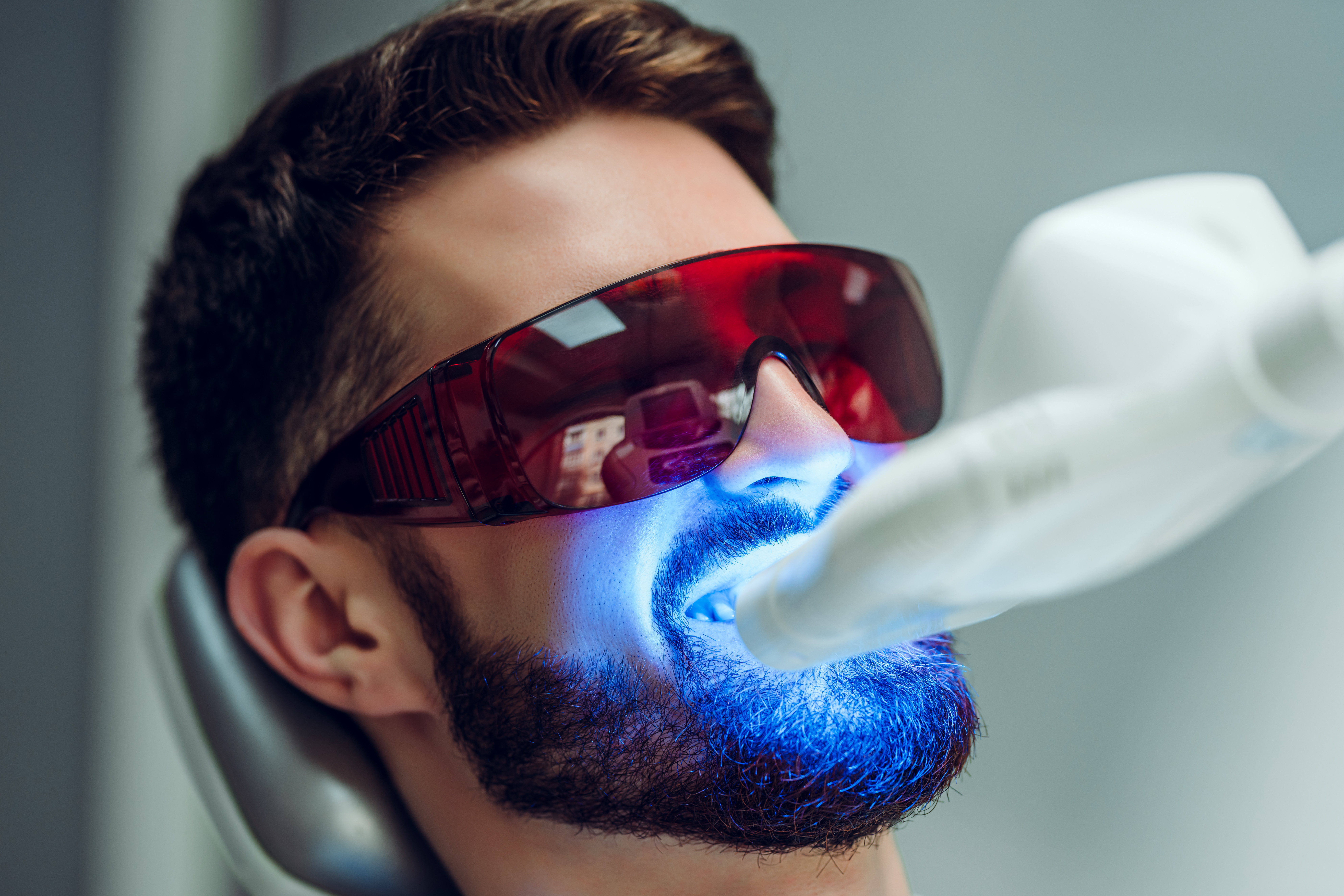 If you've experimented with at-home teeth whitening without achieving your desired speed of results, consult your dentist about a professional whitening treatment. Your dentist can apply a potent bleaching agent, sometimes combined with a laser or other light-emitting device, to whiten your teeth. Professional treatments typically yield rapid results, though multiple visits might be necessary to attain your preferred shade, depending on your teeth's current condition.
- Caution Against Alternative Methods An online search for "at-home whitening solutions" will present numerous suggestions. These often include practices like oil pulling, using apple cider vinegar, and homemade hydrogen peroxide rinses. Baking soda is also a common suggestion, but it acts as a mild abrasive that can potentially erode tooth enamel. We strongly advise against these alternative methods, as they carry risks of gum irritation or permanent damage to your tooth enamel. Always choose products that bear the American Dental Association (ADA) Seal of Acceptance.
 If you've experimented with at-home teeth whitening without achieving your desired speed of results, consult your dentist about a professional whitening treatment. Your dentist can apply a potent bleaching agent, sometimes combined with a laser or other light-emitting device, to whiten your teeth. Professional treatments typically yield rapid results, though multiple visits might be necessary to attain your preferred shade, depending on your teeth's current condition.
Additional Strategies for Brighter Teeth
Now that we've covered various techniques to whiten your teeth, here are some supplementary tips to maintain your smile's optimal brilliance!
- Brush Consistently, Morning and Night The cornerstone of whiter teeth is excellent oral hygiene, beginning with brushing your teeth every morning and night (and ideally after consuming any stain-producing foods). As previously mentioned, opt for a whitening toothpaste to achieve the best results.
- Floss Daily
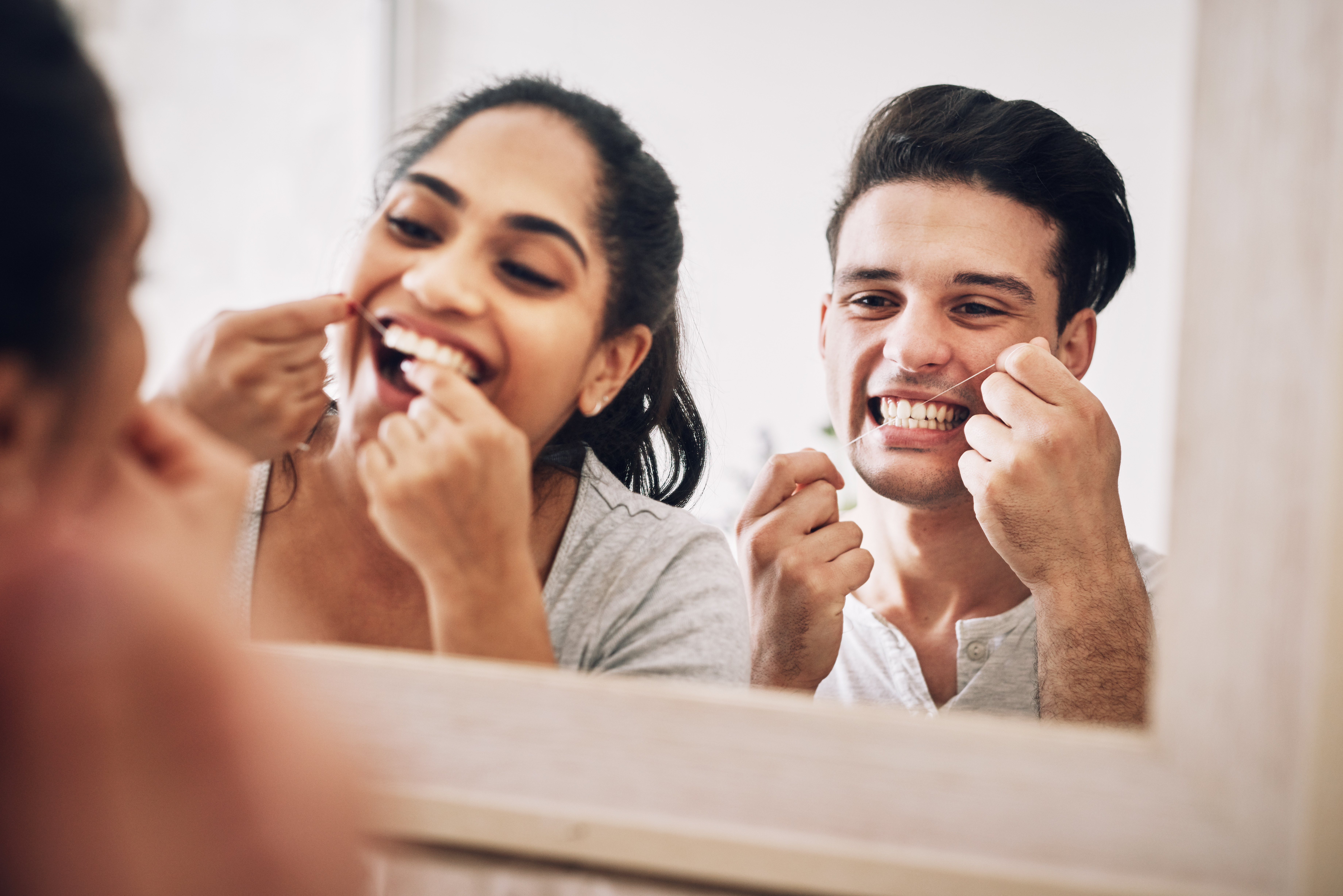 While flossing itself doesn't directly whiten your teeth, it plays a crucial role in preventing plaque buildup, a common cause of tooth discoloration. For a brighter smile, make daily flossing a habit to remove food particles and bacteria, thereby deterring plaque accumulation on your teeth.
 - Mind Your Diet Certain foods are beneficial for your oral health, including a variety of fruits, vegetables, and calcium-rich options like yogurt, leafy greens, and celery.
It's important to restrict intake of foods and beverages that can stain your teeth, such as:
- Berries
- Beets
- Soda
- Coffee
- Tea
- Wine
- Quit Smoking Your dietary choices aren't the only factor affecting your smile's radiance. The nicotine and tar found in cigarettes, cigars, and chewing tobacco frequently cause teeth to yellow. If a brighter smile is your goal, discontinuing smoking or other tobacco use is highly recommended.
- Regular Dental Check-ups Another way to preserve your teeth's whiteness is to visit your dentist for professional cleanings on a regular basis. During your appointment, your dentist or hygienist will meticulously clean your teeth, removing plaque and tartar. They can also offer personalized advice on further steps you might take to achieve whiter teeth.
 While flossing itself doesn't directly whiten your teeth, it plays a crucial role in preventing plaque buildup, a common cause of tooth discoloration. For a brighter smile, make daily flossing a habit to remove food particles and bacteria, thereby deterring plaque accumulation on your teeth.
Potential Side Effects of Whitening
Although the teeth whitening methods we recommend are generally safe, you might experience minor, temporary side effects due to the bleaching ingredients in some products.
- Gum Irritation If whitening chemicals come into contact with your gum tissue, it can lead to a burning sensation and inflammation.
- Tooth Sensitivity Some whitening treatments can temporarily cause tooth sensitivity or mild gum irritation. These effects are usually short‑lived, but to reduce the chance of discomfort, it’s important to carefully follow directions for at‑home products, rely on licensed dental professionals for in‑office whitening, and avoid unverified or DIY remedies
Achieve a Brilliant Smile Once More!

Oral Health and Whiter Teeth Go Hand in Hand
Many people wish their teeth looked whiter; in fact, more than half of dental patients say they want to brighten their smile. A variety of at-home options can help with teeth whitening, stain removal, and maintenance of a whiter smile.
- Whitening toothpastes contain ingredients that help remove and/or prevent stains from forming on the teeth, helping them appear whiter. Crest 3DWhite Deep Stain Remover toothpaste whitens teeth in just 1 day, by dissolving the bonds that hold deep stains to teeth, with twice daily brushing.
- Crest 3D Whitestrips Professional White are designed to whiten like a $300 professional‑level treatment, removing over 20 years of set‑in stains and whitening teeth up to 20 levels, with results that last up to 12 months.
- Crest Whitening Mouthwashes offer gentle foaming formulas that safely whiten teeth in 7 days. Products like Crest 3D White Strength Whitening Mouthwash can help deliver a whiter smile in 7 days while strengthening teeth to help prevent cavities.
- Some Oral-B iO electric toothbrushes include a whitening mode that uses micro-vibrations at the bristle tips to loosen and remove plaque and stains, helping to reveal a brighter, whiter smile.
- Oral-B iO Ultimate White replacement brush heads* feature five polishing petals designed for advanced cleaning and whitening starting on day one. (Whitens by removing surface stains.)
TABLE OF CONTENTS
TABLE OF CONTENTS
FAQs

How can I ensure my teeth stay white?
To maintain white teeth, commit to excellent dental hygiene. Brush your teeth twice daily with an electric toothbrush and floss daily. Minimize your consumption of foods and beverages known to stain teeth. Additionally, incorporate fresh fruits, vegetables, fiber, and calcium-rich foods like yogurt and leafy greens into your diet to protect against plaque and decay. Regular dental check-ups, at least twice a year, are also recommended.
Can I whiten my teeth while wearing braces?
With traditional braces, most bleaching whitening methods (such as strips, gels, or in‑office whitening) can’t reach enamel under the brackets, which can lead to uneven color. It’s usually best to wait until braces are removed for bleaching whitening. During treatment, whitening toothpastes and whitening mouthwashes may help reduce surface stains on exposed enamel.
What distinguishes at-home whitening from professional whitening?
Professional whitening typically delivers faster and more immediate results, as professional-grade products contain higher concentrations of whitening agents. Dentists can also customize treatments to individual needs. However, in-office treatments are generally more costly. At-home solutions are also quite effective, but they produce more gradual results and often require more frequent maintenance.
Sources
- https://www.ada.org/resources/ada-library/oral-health-topics/whitening
- https://www.ada.org/resources/ada-library/oral-health-topics/whitening
- https://www.ada.org/resources/research/science-and-research-institute/ada-seal-of-acceptance
- https://pmc.ncbi.nlm.nih.gov/articles/PMC4058574/
- https://pmc.ncbi.nlm.nih.gov/articles/PMC6784469/
- Grender, J., et al. (2022). Gingival health effects with an oscillating-rotating electric toothbrush with micro-vibrations and a novel brush head designed for stain control: Results from a 12-week randomized controlled trial. American Journal of Dentistry, 35(5), 219–226.
- Timm, H., et al. (2023). Superior stain prevention efficacy of an electric toothbrush whitening brush head. Journal of Dental Research, 102, 0934.