

ORAL-HYGIENE
Yellow Teeth: Causes and How to Whiten Teeth

This blog has been reviewed and approved by Dr. Stephanie Gans.
Key Takeaways
TABLE OF CONTENTS
TABLE OF CONTENTS
What Causes Yellow Teeth?
A variety of factors can lead to yellow teeth or yellow spots on teeth, including oral hygiene habits, diet, and even medications:
- Poor Oral Hygiene: Not brushing and flossing thoroughly can allow plaque to build up. Over time, plaque can harden into tartar, a yellowish deposit that can make teeth look stained.
- Diet and Beverages: Certain foods and drinks are well-known for causing yellow teeth. Coffee, tea, red wine, and dark sodas contain strong color pigments that cling to tooth enamel. Even foods that seem harmless, such as berries, tomato-based sauces, and balsamic vinegar, can gradually contribute to discoloration.
- Tobacco Use: Beyond its many health risks, smoking or chewing tobacco introduces nicotine and tar into your mouth. These substances can cause noticeable yellow or brown stains, often referred to as smokers teeth yellow.
- Aging: As you get older, the enamel—the hard outer surface of your teeth—naturally thins and wears down. This makes the naturally yellowish dentin underneath more visible, so teeth can look more yellow with age.
- Medications: Some medications, especially certain antibiotics like tetracycline taken during tooth development, can cause intrinsic discoloration, which can make teeth appear permanently yellow or grayish.
- Trauma: Injuries to teeth can damage the enamel and dentin and interfere with normal development, sometimes resulting in a darker or yellowed appearance in the affected tooth.
Treatment Options for Yellow Teeth
If you’re worried about yellow teeth or yellow spots on teeth, there are multiple treatment approaches. These range from simple at-home methods to more powerful treatments provided by a dentist or dental hygienist.
- Whitening Toothpastes: These specialized toothpastes contain ingredients that are specially designed to lift stains, and in some cases, even prevent stains from settling on teeth.
- Over-the-Counter Whitening Products: Whitening strips and gels, often containing hydrogen peroxide, work by breaking down stain molecules on the teeth. They can brighten yellow teeth and are widely available at drugstores, supermarkets, and pharmacies.
- Professional Whitening Treatments: Dental professionals offer higher-strength whitening options, including in-office bleaching procedures or professionally supervised take-home kits. These treatments typically produce more dramatic and longer-lasting improvements in yellow teeth, though they require more time and financial investment.
- Veneers: For severe or resistant discoloration, veneers—thin coverings placed on the front surfaces of teeth—can provide a durable cosmetic solution. They can effectively conceal naturally yellow teeth, deep stains, and uneven color that can’t be corrected with whitening alone.
- Preventing Yellow Teeth: Good daily oral care and healthy lifestyle choices are key to preventing yellow teeth and maintaining a white smile.
- Brush and Floss Regularly: Brush at least twice a day with an electric rechargeable toothbrush and a fluoridated toothpaste, and floss once daily to remove plaque and trapped food. Anything that encourages plaque buildup can also increase your risk of yellow teeth.
- Rinse After Eating: After consuming foods or drinks that can stain teeth, swish water around your mouth. This simple step helps wash away pigments before they stick to the enamel and contribute to yellowing.
- Limit Staining Foods and Drinks: Cut back on coffee, tea, red wine, dark sodas, berries, and deeply colored sauces that can darken or stain teeth over time.
- Use a Straw: When you can, drink beverages like coffee, tea, or soda through a straw to limit how much they contact your teeth, which can help prevent yellow spots on teeth.
- Quit Smoking: Avoiding all forms of tobacco greatly reduces the risk of smokers teeth yellow staining and supports better overall oral health.
- Regular Dental Checkups: See your dentist or dental hygienist routinely for professional cleanings and exams. These visits help remove hardened tartar, manage any dental problems early, and support both oral health and a whiter smile.
Summary
Yellow teeth and yellow spots on teeth are very common. Discoloration can result from poor oral hygiene, certain foods and drinks, tobacco use, aging, medications, or trauma. Naturally yellow teeth can also occur when the dentin layer shows through more prominently. Several approaches can help reverse yellow teeth and restore a brighter appearance. At-home options include whitening toothpastes and over-the-counter whitening strips and gels, which are widely sold at stores and pharmacies. For more noticeable or stubborn discoloration, talk with your dentist about professional treatments. In-office whitening and professional-strength bleaching can deliver more dramatic results, while veneers offer a highly effective cosmetic option for severe or long-standing yellow teeth. Although whitening products can make a big difference, prevention is essential. Good oral hygiene—brushing and flossing every day—combined with lifestyle choices like avoiding tobacco and limiting foods and drinks that stain are key to keeping your smile bright over time.
Oral Health and Whiter Teeth Go Hand in Hand
 Many people wish their teeth looked whiter; in fact, more than half of dental patients say they want to brighten their smile. The solutions that help reduce yellow teeth often also support better oral health. A variety of at-home options can help with teeth whitening, stain removal, and maintenance of a whiter smile.
- Crest 3D White Toothpastes is specially formulated to remove stains from teeth, making them noticeably whiter when used as directed. Crest 3DWhite Deep Stain Remover daily toothpaste goes deeper than basic toothpastes to dissolve the bonds that hold even deep stains to teeth, lifting them away for whiter teeth in just 1 day, when used twice daily.
- Crest 3D Whitestrips Professional White are designed to whiten like a $300 professional‑level treatment, removing over 20 years of set‑in stains and whitening teeth up to 20 levels, with results that last up to 12 months.
- Crest Whitening Mouthwashes offer gentle foaming formulas that safely whiten teeth in 7 days. Products like Crest 3D White Strength Whitening Mouthwash can help deliver a whiter smile in 7 days while strengthening teeth to help prevent cavities.
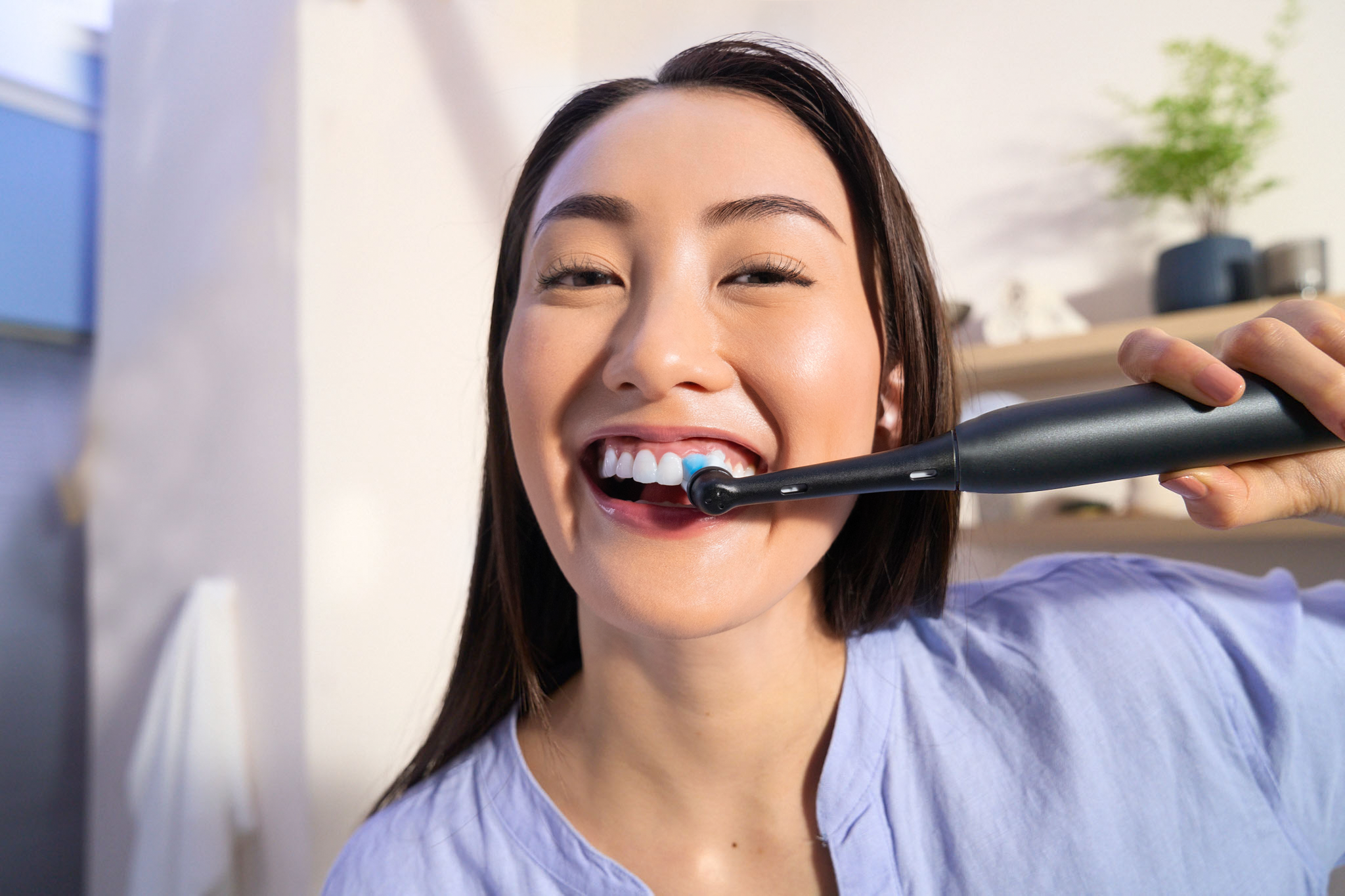
- Some Oral-B iO electric toothbrushes include a whitening mode that uses micro-vibrations at the bristle tips to loosen and remove plaque and stains, helping to reveal a brighter, whiter smile.
- Oral-B iO Ultimate White replacement brush heads* feature five polishing petals designed for advanced cleaning and whitening starting on day one. (Whitens by removing surface stains.)
TABLE OF CONTENTS
TABLE OF CONTENTS
FAQs

Can teeth be naturally yellow?
Yes, naturally yellow teeth are possible. Dentin, the inner layer of the tooth, has a naturally yellowish color. If your enamel is thinner or more translucent, the dentin shows through more, leading to a naturally yellow appearance even when oral health is good.
Are yellow teeth healthy?
Yes, yellow teeth can still be healthy. Because the underlying dentin layer is yellowish and enamel can be transparent or translucent, some yellow color is normal. As long as you maintain good oral hygiene and see your dentist regularly, yellow teeth are not automatically a sign of poor health.
Does vaping make your teeth yellow?
Yes, vaping can contribute to yellow teeth and stains. Nicotine in e-liquids can gradually discolor teeth, while flavorings and residue from vapor can cling to tooth surfaces and trap other staining substances, worsening yellow spots on teeth over time.
Why are my child’s teeth yellow despite brushing?
A child’s permanent teeth contain more dentin than baby teeth, and dentin is naturally yellow. When permanent teeth start to come in, they can look more yellow compared with the remaining baby teeth, especially if the teeth erupt at different times. This color difference is normal and usually evens out as more permanent teeth appear and your child’s full smile develops. As long as your child is brushing and flossing regularly and seeing a dentist, the appearance of slightly yellow permanent teeth is typically normal and should blend into a more uniform, white smile as they grow.
Sources
- https://my.clevelandclinic.org/podcasts/health-essentials/how-to-brighten-your-smile-with-anne-clemons
- https://newsnetwork.mayoclinic.org/discussion/mayo-clinic-q-and-a-many-safe-choices-available-to-help-whiten-teeth/
- https://www.mouthhealthy.org/all-topics-a-z/teeth-whitening
- https://www.webmd.com/children/fluorosis-symptoms-causes-treatments
- https://www.webmd.com/oral-health/teeth-whitening-and-bleaching
- Alkhatib, M. N., et al. (2004). Prevalence of self-assessed tooth discolouration in the United Kingdom. Journal of Dentistry, 32, 561-566. https://doi.org/10.1016/j.jdent.2004.06.002
- Al-Zarea, B. K. (2013). Satisfaction with appearance and the desired treatment to improve aesthetics. International Journal of Dentistry, 2013, 912368. https://doi.org/10.1155/2013/912368
- Grender, J., et al. (2022). Gingival health effects with an oscillating-rotating electric toothbrush with micro-vibrations and a novel brush head designed for stain control: Results from a 12-week randomized controlled trial. American Journal of Dentistry, 35(5), 219–226.
- Timm, H., et al. (2023). Superior stain prevention efficacy of an electric toothbrush whitening brush head. Journal of Dental Research, 102, 0934.